Each time your customers make a buying decision they first will choose which company to make their purchase from. Their decision may be based on the level of customer service that they expect to receive from a specific company as well as the perception of value in the products or services offered. Some people may develop loyalty to a certain company and they may even pay more money for similar products or services if there is a perception that there is value to them in doing so. If you have been considering different ways to promote customer loyalty and to improve your customers’ experience with your company, consider how plastic loyalty cards may help promote your interests and improve marketing efforts.
Custom loyalty cards are designed specifically for your company and they may have your company’s name, logo, tagline or a combination of all three on the card. Customers will need to sign up for the card and this provides you with the ability to gather their name, email address and mailing address. They are customized for each customer with a magnetic strip and the card is swiped each time your customer makes a purchase. Swiping the card enables your customers to take advantage of discounts and it offers your company benefits too. You can track their purchases with the card and this enables you to more clearly and easily analyze demographics and sales data about your specific customers.
You can create customized promotional offers for your loyalty card customers with plastic loyalty cards and these offers may be available only to cardholders.In addition, customers may be more inclined to visit your company over the competition if they have custom loyalty cards. These cards generally provide customers with some financial incentive. With some companies it may provide a discount off the price selected merchandise. With other companies it may provide regular savings on the total bill. Many customers love to save money on items they need or want and your plastic loyalty cards provide them with a way to do so. These discount cards are an excellent marketing tool that can benefit your business as well as your customers in numerous ways.
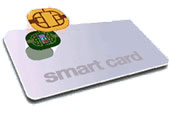
Plastic smart cards are the most technologically advanced kind of plastic cards available in the market today. Read more…
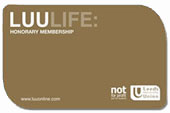
Your own custom shape or size can be used to create a special custom die to cut out your plastic card making your Read more…

These are transparent plastic business cards with an attractivel frosted finish. What your customers will first see of Read more…